Matte, satin, or brushed — choosing the right finish for you
How the finish on your engineered timber changes the way light moves across the room, how dust shows, and how it ages.
Three small choices on a specification sheet, three quite different floors at handover. The surface finish — matte, satin, or brushed — controls how light moves across the timber, how visible wear is in the first decade, and how the floor reads in a room photograph. None is more correct than the others. They suit different rooms, different tastes, and different households.
This article explains what each term means in our range, how to choose between them, and what to expect across the floor's life. The decision deserves more than a swatch glance in a showroom — the same plank in matte and satin can read as two entirely different floors once installed.
What matte, satin, and gloss actually mean
Sheen is measured on a 60-degree gloss scale. A true matte finish reads at 5–10 gloss units — almost no reflection, the timber appears as if untreated. A satin finish reads at 20–35 gloss units — a soft, low-sheen glow that lifts the colour without mirroring the light fitting above it. Gloss reads above 60 and is rare in contemporary residential specification; it telegraphs every dust mote and scratch.
Across our engineered timber collections, the standard finish is a matte or satin lacquer. Glossier finishes are available on request for commercial settings where light bounce is part of the design.
What brushed surface treatment adds
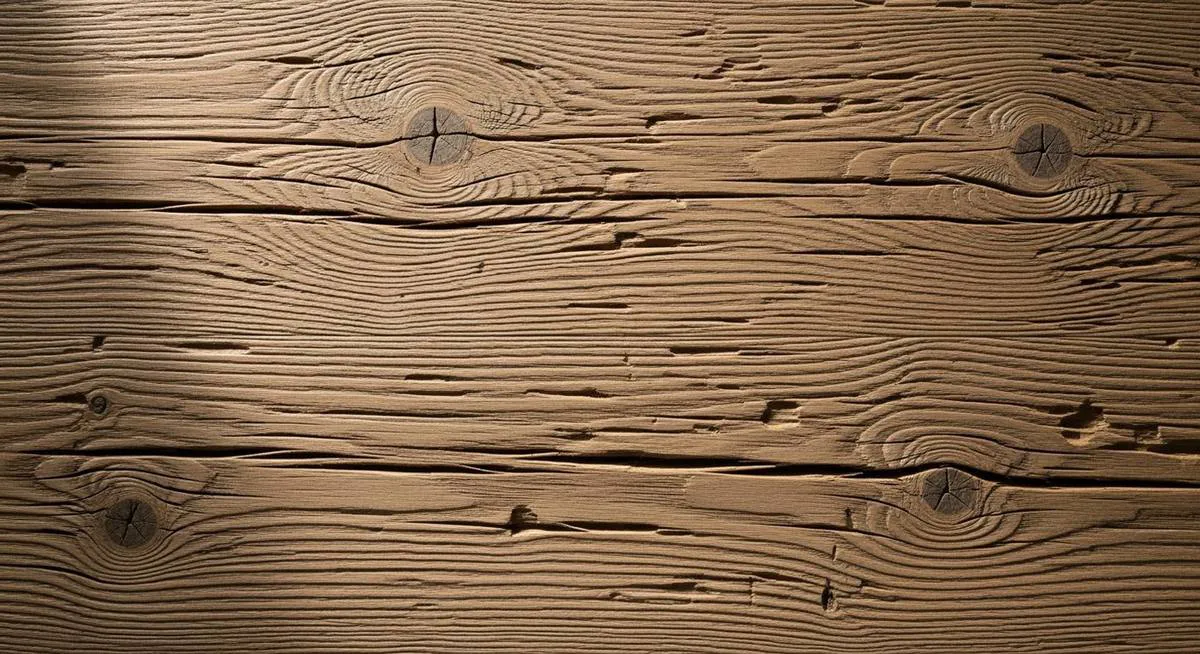
A brushed surface treatment is mechanical, not chemical. Before finishing, the oak wear layer is run through wire brushes that remove the soft early-wood and leave the dense late-wood standing slightly proud. The result is a subtle textured surface that reads as more organic, more tactile, and visibly closer to the timber's natural character.
Brushed surfaces work beautifully under matte and satin finishes and pair particularly well with our Vero and Forever tones. The texture is light — you notice it underfoot but the floor is still flat enough for furniture and rugs.
Light behaviour across the day
Matte finishes absorb light. They photograph beautifully in soft, diffuse lighting and read as quiet, settled surfaces in a room. They also reveal less of the grain's depth — the variation between earlywood and latewood is visible but understated. Satin finishes lift the grain. The latewood reads slightly darker, the earlywood slightly warmer, and the floor has a quiet luminescence in afternoon light.
For a north-facing living room with full afternoon sun, matte avoids glare. For a south-facing apartment where light is always indirect, satin adds the small amount of life the floor would otherwise lack. A walk-through at different times of day before locking the finish is rarely wasted.
How each finish ages
Matte finishes are more forgiving of scratches because the surface does not reflect at the scratch line. A small scuff in a matte lacquer reads as a slightly textured area; in a high-gloss finish it reads as a bright streak. Satin sits in between, with most everyday marks blending into the gentle sheen.
All three finishes accumulate fine wear over years of traffic, and all three can be screen-and-recoated at year ten to restore the original sheen level. The maintenance routine is identical across finishes — see our care article.
Choosing for the room
Three quick recommendations. For an open-plan family room with high traffic and changing light, choose a brushed matte. For a formal living room or hallway where you want quiet sophistication and minimal glare, choose a flat matte. For a designed-led project where the floor is meant to lift the room without dominating it, choose a satin — brushed or smooth depending on whether you want texture.
Specification guidance for finish selection is summarised in our technical data hub, and broader context on Australian timber finish standards is available from the Australasian Timber Flooring Association. For commercial settings the finish selection should travel alongside the slip rating decision, covered in the slip resistance article.
Care and refinishing
A matte or satin lacquer can be screen-and-recoated by a flooring contractor in a day for a typical home — the surface is lightly abraded, the existing finish is cleaned, and a fresh lacquer coat is applied. The sheen level can be matched to the original or shifted if the household's preference has changed. A brushed surface is preserved through this process; the brush profile sits below the wear plane.
For full re-sanding decades later, the same logic applies. The wear layer is taken back to fresh oak, the colour is reset (the In-Grain colour article covers what survives the sand on our pigmented ranges), and a new finish is selected. Sheen is a decision that can be revisited.